
What Is Tracheostomy Rehabilitation?
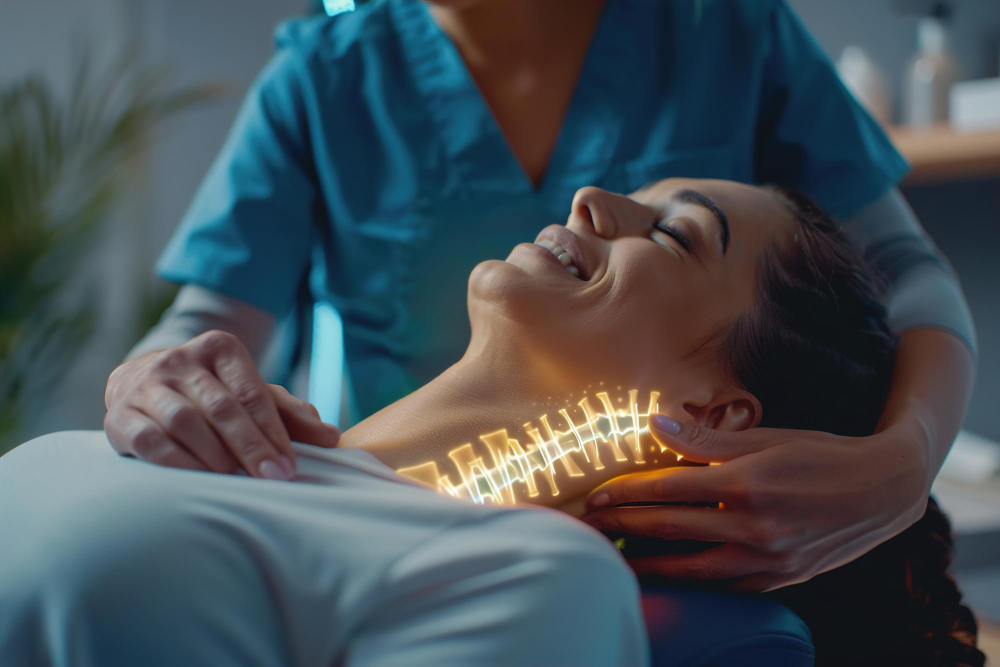
Tracheostomy rehabilitation helps people recover after getting a tracheostomy. A tracheostomy is a small opening made in the neck to help with breathing. After this surgery, people often need help to move, breathe, and do daily tasks again. Because tracheostomy rehabilitation focuses on these areas, it is important for a safe and full recovery. In many hospitals and clinics, trained teams guide patients through each step. This process supports both physical and emotional health.
Common Challenges After Tracheostomy
After a tracheostomy, people may face many challenges. For example, some have trouble moving around. Others find it hard to speak or eat. Breathing can also feel different. In addition, there may be changes in how the neck and chest feel. Because of these changes, daily life may seem harder at first. However, with the right support, most people improve over time. Common challenges include:
With help from a care team, these problems can be managed.
Improving Mobility After Tracheostomy
Mobility after tracheostomy is a key part of recovery. Early movement helps prevent muscle loss and keeps joints flexible. For example, gentle exercises in bed can start soon after surgery. As strength returns, walking with support may begin. Because moving can feel scary, therapists guide each step. They teach safe ways to get out of bed, stand, and walk. In many cases, using a walker or cane helps at first. Over time, most people regain their strength and balance. Mobility after tracheostomy improves with daily practice and patience.
Breathing Techniques and Exercises
Breathing exercises for tracheostomy patients help lungs stay strong. These exercises also clear mucus and lower the risk of infection. For instance, deep breathing with slow inhales and exhales is helpful. Some people use a device called an incentive spirometer to measure their breaths. Because coughing may be harder, therapists teach gentle ways to clear the airway. Breathing exercises for tracheostomy patients may include:
With regular practice, these techniques support better breathing and comfort.
Functional Recovery Strategies
Functional recovery post-tracheostomy means getting back to daily activities. For example, eating, dressing, and bathing may need new methods at first. Occupational therapists help people relearn these skills. Because swallowing can be tricky, speech therapists may suggest special diets or exercises. In addition, learning to speak with a tracheostomy tube may take time. Some people use a speaking valve or write notes. With support, most people return to their favorite activities. Functional recovery post-tracheostomy is possible with steady effort and teamwork.
Tips for Daily Living and Safety
Daily life after a tracheostomy can feel different, but safety is always important. For instance, keeping the tube clean lowers the risk of infection. Because water can enter the tube, avoid swimming or showering without protection. Always keep emergency supplies nearby. Helpful tips include:
With these steps, daily living becomes safer and easier.
Preventing Complications During Rehabilitation
Preventing problems is a big part of tracheostomy rehabilitation. For example, regular cleaning stops infections. Because the tube can get blocked, check it often. Watch for signs of trouble, such as redness, swelling, or fever. If breathing becomes harder, seek help right away. In addition, follow all care instructions from your team. Preventing complications helps recovery stay on track. Trusted sources like the CDC and WHO recommend these steps for safe healing.