What Is Post-Hospitalization Rehabilitation?
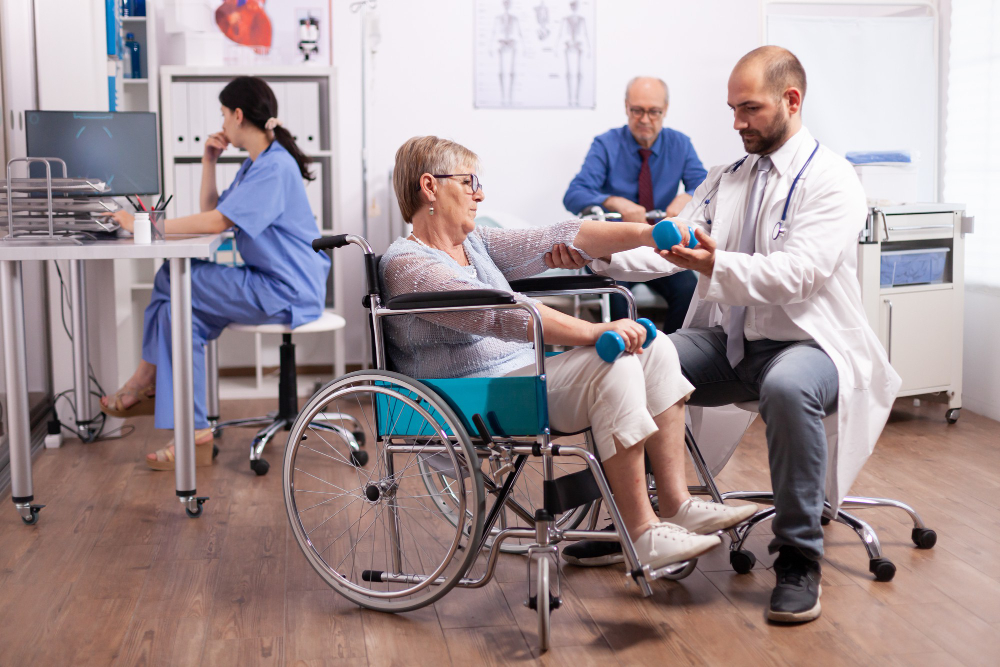
After a long hospital stay, many people feel weak. Post-hospitalization rehabilitation helps patients regain strength after illness. This process includes special care, exercises, and support. For example, doctors and therapists work together to help you move better and feel stronger. In many cities, clinics offer these services close to home. According to the World Health Organization (WHO), early rehab can improve recovery and help people return to daily life faster.
Common Causes for Loss of Strength After Prolonged Illness
Many people lose muscle and energy after being sick for a long time. Often, staying in bed leads to weak muscles. In addition, some illnesses, like pneumonia or COVID-19, can cause the body to lose strength quickly. Sometimes, medicines or surgeries also play a role. Because of these factors, it is common to feel tired or unable to do normal tasks after leaving the hospital.
Key Symptoms and Challenges During Recovery
During recovery, you may notice several symptoms. For instance, you might feel weak or short of breath. Sometimes, it is hard to walk or climb stairs. In other cases, people feel dizzy or have trouble thinking clearly. Because of these symptoms, daily activities can become difficult. Yet, with the right help, most people improve over time.
Diagnosis and Assessment in Rehabilitation
First, doctors and therapists check your health before starting post-hospitalization rehabilitation. They may ask about your illness and how you feel now. In many cases, they use simple tests to measure your strength and balance. For example, you might be asked to walk a short distance or lift light weights. These checks help create a safe and effective rehab plan. According to the Centers for Disease Control and Prevention (CDC), early assessment leads to better results.
Evidence-Based Rehabilitation Treatments and Therapies
Rehabilitation after prolonged illness uses proven methods. Physical therapy is common and helps you move safely. Occupational therapy teaches you how to do daily tasks again. Sometimes, speech therapy is needed if talking or swallowing is hard. Because every patient is different, your rehab team will choose the best treatments for you. The CDC and peer-reviewed journals support these therapies for safe recovery.
At-Home Exercises and Lifestyle Tips for Regaining Strength
After leaving the hospital, you can continue to build strength at home. However, always follow your doctor’s advice. For example, start with gentle exercises like walking or stretching. Over time, you can add more activity as you feel stronger. In addition, eating healthy foods helps your body heal. Because rest is important, make sure to get enough sleep each night.
Preventing Complications During Recovery
While recovering, it is important to avoid problems. For instance, watch for signs of infection or blood clots. If you notice swelling, pain, or fever, contact your doctor right away. Because falls are common, keep your home safe by removing loose rugs and using handrails. The WHO suggests regular check-ups to catch issues early. In some areas, home health services can help monitor your progress and keep you safe.
Metro Cure Rehabilitation Hospital offers rehabilitation that is designed according to you. Book a appointment now