What is ICU-Acquired Weakness?
ICU-acquired weakness is a condition that affects many people who stay in an intensive care unit (ICU). Often, it happens after a long or serious illness. Because patients in the ICU are very sick, their muscles can become weak. This weakness can make it hard to move, walk, or even breathe. In the United States, ICU-acquired weakness is a common problem for people who need intensive care. According to the CDC, this condition can affect up to half of patients who spend a long time in the ICU. While it can be scary, early treatment and support can help people recover.
Common Causes of ICU-Acquired Weakness
Many factors can lead to ICU muscle weakness. For example, being on a breathing machine for several days can cause muscles to weaken. In addition, certain medicines used in the ICU may affect muscle strength. Here are some common causes:
Because these factors often happen together, ICU-acquired weakness can develop quickly. However, doctors and nurses watch for these risks to help prevent the condition.
Recognizing the Symptoms
ICU-acquired weakness can show up in different ways. For instance, some people notice they cannot lift their arms or legs. Others may feel tired even after small movements. Common symptoms include:
Because these symptoms can be mild at first, it is important to tell your care team if you notice any changes. Early signs can help doctors start treatment sooner.
Diagnosis of ICU-Acquired Weakness
Doctors use several steps to diagnose ICU-acquired weakness. First, they check your muscle strength with simple tests. For example, they may ask you to squeeze their hand or lift your leg. Next, they look at your medical history and recent treatments. Sometimes, doctors use special tests like nerve studies to rule out other problems. According to research in medical journals, early diagnosis helps improve recovery. Because ICU muscle weakness can look like other conditions, your care team may run extra tests to be sure.
Rehabilitation and Treatment Options
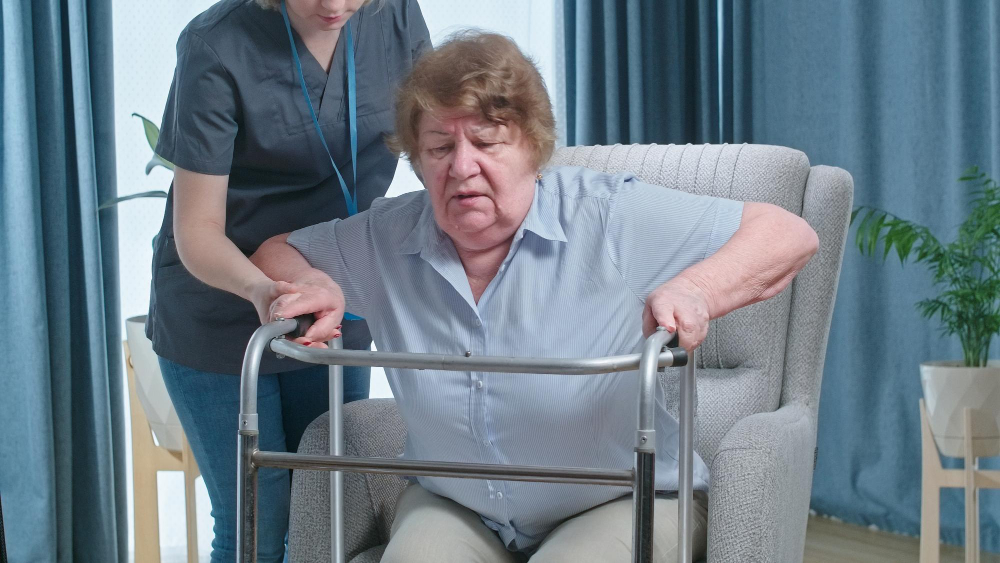
Rehabilitation after intensive care is key to getting stronger. Physical therapy for ICU patients often starts while you are still in the hospital. For example, therapists may help you sit up, move your arms, or walk with help. Treatment options include:
Because every patient is different, your care team will create a plan that fits your needs. Early and regular therapy can help you recover faster and return to your normal activities.
Preventing ICU-Acquired Weakness
While not all cases can be prevented, there are steps to lower the risk. For instance, moving as soon as it is safe can help keep muscles strong. Doctors and nurses in the United States often use these methods:
Because prevention starts early, families can ask the care team about ways to help their loved one stay active and safe during their ICU stay.
Lifestyle Tips for Recovery
After leaving the ICU, recovery continues at home. For example, staying active each day helps rebuild muscle strength. Here are some tips for a smoother recovery:
Because recovery can take time, it is important to be patient with yourself. With the right support, most people see steady improvement after ICU-acquired weakness.
Conclusion
If you or a loved one is recovering from ICU-acquired weakness, Metro cure rehabilitation hospital is here to help. Reach out today to start a personalized rehab plan and take the next step toward strength and independence.