What Are Critical Illness Myopathy and Neuropathy?
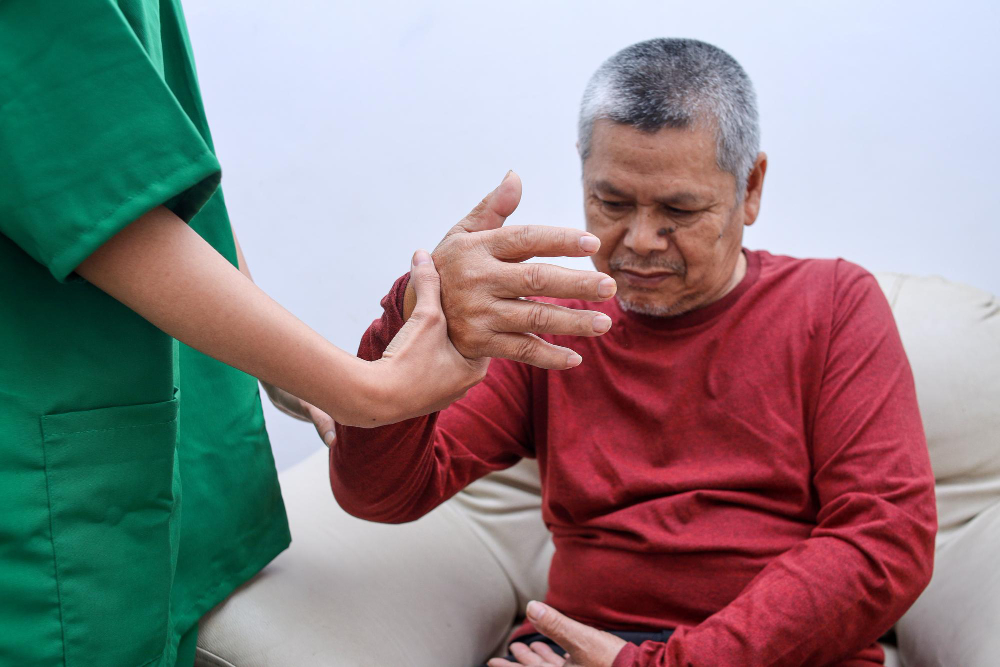
Many people notice muscle weakness after ICU stays. This can be due to critical illness myopathy and neuropathy. Both are conditions that affect the muscles and nerves. Myopathy means muscle damage. Neuropathy means nerve damage. These problems often happen in people who have been very sick in the hospital. For example, patients in intensive care units (ICUs) are at higher risk. According to the CDC, these conditions can make recovery slow and difficult.
Common Symptoms
Patients with critical illness myopathy and neuropathy often face many symptoms. Notably, these symptoms can appear during or after a hospital stay. Some of the most common signs include:
As a result, simple tasks like sitting up or standing may feel very hard. Even after leaving the ICU, many patients continue to struggle with these issues.
Causes and Risk Factors
Critical illness myopathy and neuropathy usually develop in people who are very sick. For instance, patients who need a ventilator or stay in the ICU for a long time are at higher risk. Several causes and risk factors include:
Because of these factors, the muscles and nerves can become weak or damaged. The World Health Organization notes that early movement in the ICU may lower the risk.
How These Conditions Are Diagnosed
Doctors use several steps to diagnose muscle weakness after ICU. First, they ask about symptoms and medical history. Next, they perform a physical exam. Sometimes, they order special tests, such as:
With these tests, doctors can tell if the problem is due to myopathy, neuropathy, or both. Early diagnosis helps guide treatment and recovery plans.
Treatment Options
Treating critical illness myopathy and neuropathy takes time. First, doctors focus on treating the main illness. For example, they may stop medicines that cause muscle or nerve damage. In addition, they help control blood sugar and prevent infections. Treatment options often include:
Because recovery can be slow, many patients need ongoing care after leaving the hospital. Rehabilitation for ICU patients is often done at home or in specialized centers.
Rehabilitation and Recovery Challenges
Even after leaving the ICU, many patients face challenges. For example, muscle weakness and nerve damage from critical illness can last for months. Some people need help with daily tasks, such as dressing or bathing. Additionally, fatigue and mood changes are common. Rehabilitation centers in many cities offer programs to help patients regain strength. However, progress may be slow, and setbacks can happen. According to recent studies in PubMed, early and regular therapy improves outcomes.
Tips for Supporting Recovery
Family and friends play a key role in recovery. With support, patients can stay motivated and safe. Here are some helpful tips:
Because recovery is different for everyone, it is important to set small, realistic goals. Over time, many patients see steady improvement.
Prevention Strategies
While not all cases can be prevented, some steps lower the risk. For example, early movement in the ICU helps keep muscles strong. Doctors also try to use the lowest effective dose of medicines that can harm nerves or muscles. Other prevention strategies include:
Hospitals and rehabilitation centers in your area may offer special programs for ICU patients. According to the CDC, these steps can make a big difference in recovery and quality of life.
Conclusion
If you or a loved one is recovering from a critical illness, a health check-up can help track progress. Schedule a visit at Metro cure rehabilitation hospital to support your recovery journey.